Choosing the right school is one of the biggest decisions you’ll make for your child’s future. Whether you’re leaning toward a private school or a government school, that choice ends up shaping their academic journey, their personal growth, their confidence, and honestly, a good chunk of their future opportunities too.
A lot of parents type “private vs government schools near me” into a search bar because they genuinely want to understand the real differences before making a decision. Both systems play a real role in Pakistan’s education landscape, but they differ quite a bit curriculum, teaching methods, facilities, class sizes, extracurricular options, and the overall day-to-day experience all look different depending on which path you choose.
There’s no universal answer to which one’s “better.” It really comes down to your child’s specific learning needs, your family’s budget, what you’re hoping for academically, and honestly, just how good the actual schools near you are.
This guide walks through the real differences between private and government schools, so you can make a decision that genuinely fits your family.
Getting Clear on What Each Option Actually Is
What Is a Private School?
Private schools are independently run and mainly funded through tuition fees and other private resources. A lot of them offer national or international curricula, more modern teaching methods, and extra learning opportunities you might not find elsewhere.
A few examples:
- School of Scholars
- Karachi Grammar School
- Beaconhouse School System
- The City School
- Foundation Public School
These schools tend to focus on academic excellence while also genuinely pushing leadership, communication, creativity, technology, and extracurricular growth.
What Is a Government School?
Government schools are funded and run by federal or provincial education authorities. Their whole purpose is making education genuinely accessible to students from all kinds of economic backgrounds.
Most government schools follow Pakistan’s national curriculum and offer education at minimal cost.
A lot of government schools genuinely have experienced teachers and talented students though facilities and resources can vary quite a bit from one school to the next.
Private vs. Government Schools: The Real Differences
Both systems are ultimately trying to educate kids well, but their approach tends to differ quite a bit in practice.
| Feature | Private Schools | Government Schools |
|---|---|---|
| Management | Privately managed | Government managed |
| Fees | Paid by parents | Free or low cost |
| Curriculum | Cambridge, Aga Khan, Matric, International | Mostly National (Matric) |
| Class Size | Usually smaller | Often larger |
| Technology | Frequently integrated | Varies by school |
| Extracurricular Activities | Extensive | Depends on available resources |
| Parent Communication | Regular and structured | Varies by institution |
Neither system is automatically the “better” one. What really matters is the quality of the individual school not just whether it’s labeled public or private.
What Private Schools Genuinely Offer
A lot of families choose private schools because they tend to offer extra educational resources and more genuinely personalized attention.
Smaller class sizes Smaller classes let teachers give real individual attention and actually keep track of how each student’s doing.
Modern teaching methods A lot of private schools lean on interactive classrooms, digital learning platforms, project-based learning, and teaching that’s genuinely centered on the student.
Better access to technology Students often get smart classrooms, computer labs, digital learning tools, STEM education, and interactive educational software.
A wider range of extracurricular activities Private schools frequently offer sports, debates, robotics, coding clubs, arts and music, public speaking, leadership programs, and community service all of which genuinely build confidence, teamwork, and communication skills.
School of Scholars: A Genuinely Balanced Private Education
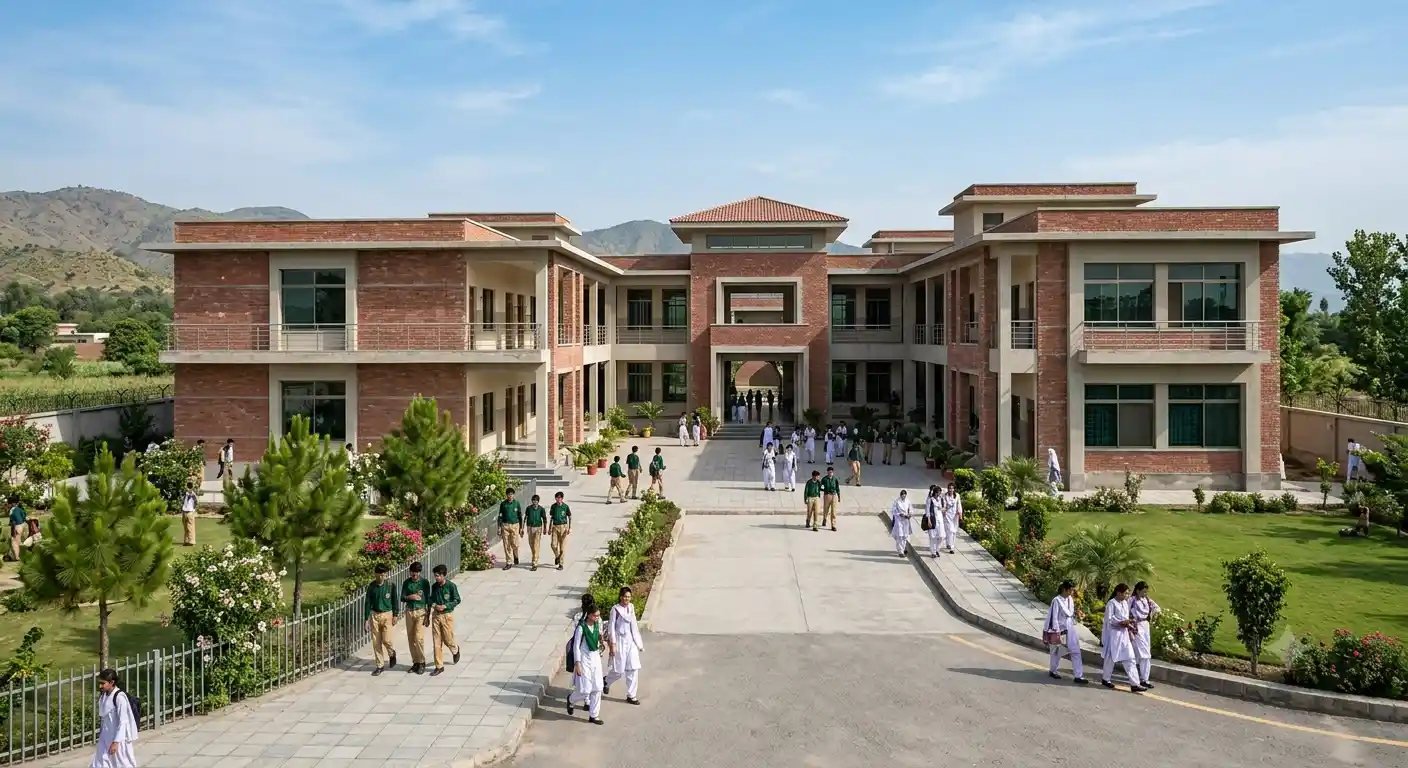
Among Karachi’s recognized private schools, School of Scholars focuses on offering a genuinely balanced education through both Cambridge and Aga Khan curriculum pathways.
The school emphasizes:
- Academic excellence
- Learning that’s centered on the student
- Experienced teachers
- Smart classrooms
- Science and computer laboratories
- Leadership development
- Genuine character building
- Activity-based learning
- Sports and co-curricular activities
- A safe, genuinely supportive learning environment
The goal is helping students grow academically while also building the life skills they’ll actually need down the road.
What Government Schools Genuinely Offer
Government schools bring their own real, important benefits and they continue to educate millions of students across Pakistan every year.
Genuinely affordable education Government schools generally charge minimal or no tuition, which makes education accessible to a much wider range of families.
The national curriculum Students follow Pakistan’s national curriculum, which genuinely prepares them for local board exams and further education.
Experienced teachers A lot of government schools have highly qualified, genuinely experienced educators who contribute a great deal to student learning.
Community accessibility Government schools exist in both urban and rural areas across the country, genuinely improving access to education for families who might not otherwise have options nearby.
Is One Type of School Always Better?
Not really, no.
Some private schools deliver genuinely outstanding academic programs and modern facilities, while plenty of government schools also achieve strong academic results and produce genuinely successful graduates.
What matters most is the quality of the individual school its teachers, the learning environment, its leadership, and its real commitment to student development not simply whether it’s labeled public or private.
Teacher Quality: Private vs. Government Schools
Teachers arguably matter more than anything else in a child’s education. Whether a school’s private or government-run, experienced, genuinely dedicated teachers leave a lasting mark on how well a student does.
In Private Schools
A lot of private schools invest in:
- Regular teacher training
- Modern teaching methods
- Genuine technology integration
- Learning that’s centered on the student
- Real performance evaluations
- Professional development workshops
Teachers here often lean on interactive activities, group discussions, presentations, and project-based learning to keep students genuinely engaged.
In Government Schools
Government schools also employ plenty of genuinely qualified, experienced teachers, recruited through official government processes and standards.
That said, the actual classroom experience can differ quite a bit depending on:
- Student enrollment numbers
- Available resources
- Infrastructure
- Regional funding
- Administrative support
A lot of government school teachers continue to produce genuinely excellent academic results, even with fewer resources to work with.
Curriculum Comparison
One of the biggest real differences between the two systems is the curriculum itself.
Private schools may offer Cambridge Curriculum, Aga Khan Curriculum, Matric, British Curriculum, or American Curriculum giving parents a lot more flexibility to pick a path that genuinely fits their child’s future.
Government schools mostly follow the Sindh Board Curriculum, Federal Board Curriculum, Punjab Board Curriculum, or other provincial board curricula all of which genuinely prepare students for local board exams and higher education within Pakistan.
Facilities Comparison
The learning environment genuinely shapes a student’s experience, so it’s worth looking closely.
Private schools often provide: smart classrooms, computer laboratories, science laboratories, libraries, sports facilities, activity rooms, and in some cases, robotics and STEM labs or air-conditioned classrooms.
Government schools vary quite a bit from one to the next. Some have genuinely solid science labs, libraries, computer labs, and sports grounds. Others have fewer resources, depending on local infrastructure and funding.
It’s always worth actually visiting individual schools rather than assuming every school in a category offers the same thing.
Academic Results
Academic success genuinely depends on a lot more than just which type of school a child attends.
Students tend to do well when they have dedicated teachers, genuine family support, real motivation, consistent study habits, good attendance, and access to decent learning resources.
Private schools often add extra academic support like revision classes, mock exams, individual mentoring, progress reports, and regular parent meetings.
But government schools also produce plenty of high-achieving students who genuinely excel in board exams and competitive admissions the type of school isn’t the deciding factor on its own.
Technology and Digital Learning
Technology’s become a genuinely important part of modern education, whichever system you’re looking at.
Private schools often bring in smart boards, learning management systems, online assignments, digital assessments, educational software, and coding or robotics programs all of which genuinely enhance learning when paired with good traditional teaching.
Government schools vary quite a bit here too. Some have genuinely embraced digital classrooms and computer education, while others still lean mainly on traditional teaching. As education technology keeps expanding, more public schools are gradually catching up on digital access.
Extracurricular Activities
Education genuinely goes well beyond textbooks, and extracurriculars are a big part of that building communication, teamwork, leadership, creativity, and confidence.
Private schools commonly offer: sports, debate competitions, public speaking, science fairs, robotics clubs, coding programs, arts and music, drama, community service, and leadership activities.
Government schools also organize sports competitions, debate contests, cultural programs, national celebrations, and science exhibitions though what’s actually available often depends on the school’s resources and local initiative.
Cost Comparison
Cost is, understandably, one of the biggest factors for a lot of families.
| Expense | Private Schools | Government Schools |
|---|---|---|
| Admission Fee | Usually applicable | Usually minimal or none |
| Monthly Tuition | Paid by parents | Free or very low |
| Uniform | Required | Required |
| Books & Learning Materials | Parent-funded | May vary by programme |
| Transport | Optional paid service | Usually arranged independently |
Private schools typically cost more overall, and a lot of parents choose them specifically for the curriculum options, facilities, and extra student support that comes with the higher fee. Government schools remain a genuinely important, affordable option for families wanting quality education within a tighter budget.
A More Detailed Comparison
| Feature | Private Schools | Government Schools |
|---|---|---|
| Fees | Higher | Low or free |
| Curriculum Options | Cambridge, Aga Khan, Matric, International | Mostly National Curriculum |
| Class Size | Usually smaller | Often larger |
| Teacher Training | Regular professional development | Government training programmes |
| Technology | Widely integrated | Varies by school |
| Laboratories | Usually well equipped | Depends on school |
| Sports & Activities | Extensive | Varies |
| Parent Communication | Frequent and structured | Depends on school |
| Student Support | Often includes counselling and mentoring | Varies by institution |
| University Preparation | Strong emphasis in many schools | Depends on school programmes |
Looking Past the Label
The choice between a private and a government school genuinely shouldn’t come down to the label alone.
It’s worth evaluating each school on its own merits:
- Teaching quality
- Curriculum
- Student wellbeing
- Safety
- Facilities
- Academic support
- Values and school culture
- Real opportunities for personal growth
A genuinely high-quality school private or government is one that helps every single child reach their actual potential, not just the ones who were already ahead.
So Which Type of School Is Actually Best for Your Child?
There’s genuinely no one-size-fits-all answer here. Every child brings different strengths, interests, learning styles, and ambitions to the table.
The best school is really the one that offers a genuinely supportive environment somewhere your child can grow academically, socially, emotionally, and personally, all at once.
Some families lean toward private schools because of the curriculum options, the technology, the extracurriculars, and the more personalized learning. Others choose government schools for their affordability, accessibility, and genuine commitment to quality education within the national system.
Either way, it’s worth focusing less on the type of school and more on the actual quality of the specific institution in front of you.
Why Many Parents Consider School of Scholars
When searching for the best private schools near them, a lot of parents want more than just strong exam results.
At School of Scholars, education is genuinely built around helping students become confident learners, effective communicators, creative thinkers, and responsible future leaders.
The school offers a balanced experience through:
- Cambridge Curriculum
- Aga Khan Curriculum
- Experienced, genuinely qualified teachers
- Learning that’s centered on the student
- Smart classrooms
- Science laboratories
- Computer laboratories
- Leadership development programs
- Genuine character-building activities
- Sports and extracurricular programs
- Activity-based learning
- A safe, genuinely supportive campus
- A strong partnership between school and parents
The goal is preparing students not just for their next exam, but for university, careers, and genuine lifelong success.
Quick Comparison Chart
| Feature | Private Schools | Government Schools |
|---|---|---|
| Affordable Education | ◐ | ✓ |
| International Curriculum Options | ✓ | ✗ |
| National Curriculum | ✓ | ✓ |
| Smart Classrooms | ✓ | ◐ |
| Science & Computer Labs | ✓ | ◐ |
| Smaller Class Sizes | ✓ | ✗ |
| Technology Integration | ✓ | ◐ |
| Leadership Programmes | ✓ | ◐ |
| Sports & Extracurricular Activities | ✓ | ◐ |
| Personalised Learning | ✓ | ◐ |
Legend: ✓ = Commonly available · ◐ = Varies by school · ✗ = Less common
Admission Checklist for Parents
Before you actually choose a school, it’s worth asking yourself:
✅ Does the curriculum genuinely match my child’s future goals?
✅ Are the teachers experienced and actually supportive?
✅ Does the environment genuinely feel safe and welcoming?
✅ Are science labs, computer labs, and library facilities actually available?
✅ Does the school genuinely encourage leadership and communication?
✅ What extracurricular activities does it actually offer?
✅ How does the school actually communicate with parents?
✅ Does the fee structure genuinely fit our family’s budget?
✅ What academic support is actually available for students?
Visiting the campus yourself, meeting the teachers, and watching a real classroom in session will tell you a lot more than any brochure or website ever could.
Final Thoughts
The private vs. government schools debate genuinely doesn’t have a single correct answer.
Both systems have real strengths, and genuinely excellent schools exist in each category.
Private schools tend to offer more curriculum flexibility, more modern facilities, better technology integration, and more personalized learning. Government schools make education accessible to millions of students and continue to produce genuinely talented graduates across the country.
What matters most is choosing a school that actually fits your child’s learning needs, personality, and future ambitions not the label on the gate.
For families wanting a genuinely balanced education that pairs academic excellence with leadership, creativity, technology, and character development, School of Scholars offers an environment where students can actually learn, grow, and prepare for a successful future.
Worth remembering: the best school isn’t automatically the most expensive one, or the most talked-about one.
It’s the one where your child genuinely feels inspired to learn, supported enough to succeed, and encouraged to become the best version of themselves.
Frequently Asked Questions
1. Which is better: a private school or a government school?
Neither is universally better. The right choice really depends on the quality of the individual school, your child’s learning style, your family’s budget, and your educational goals.
2. Are private schools better for academic performance?
A lot of private schools offer extra academic support, smaller classes, and more modern teaching methods. But plenty of government schools also achieve genuinely excellent academic results. Student success ultimately depends on teaching quality, family support, and individual effort — not just the type of school.
3. Why do parents prefer private schools?
Parents often go with private schools for the curriculum options, technology integration, extracurricular activities, personalized learning, and more structured communication with families.
4. What should parents consider before choosing a school?
Worth evaluating: curriculum, teaching quality, safety, facilities, extracurricular activities, class size, student wellbeing, the fee structure, and the school’s overall learning environment.
5. Why is School of Scholars considered by many parents?
School of Scholars offers Cambridge and Aga Khan curriculum pathways, experienced teachers, modern learning facilities, activity-based education, leadership programs, and a genuine focus on well-rounded student development.