
Introduction
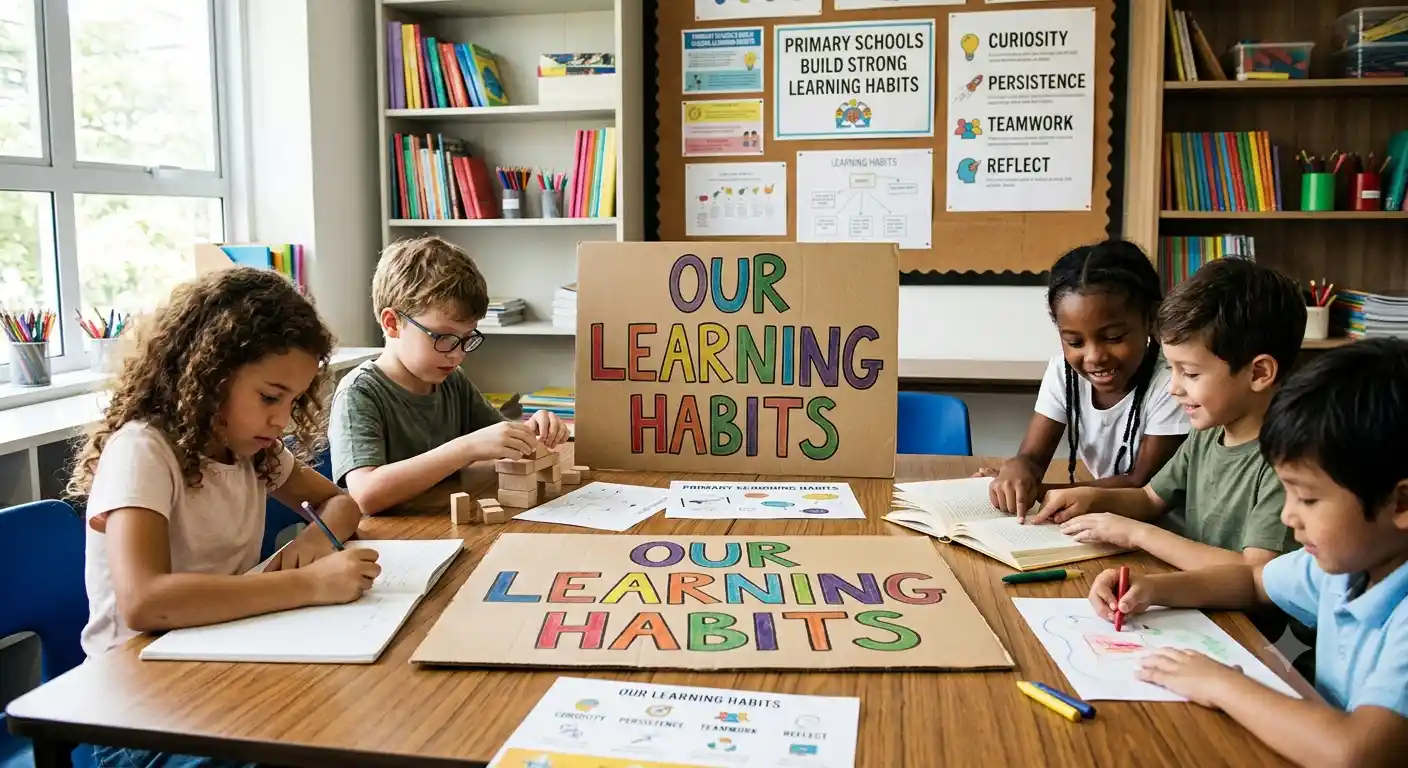
The primary school years are one of the most important stages in a child’s educational journey. These years shape not only academic performance but also attitudes toward learning, discipline, and personal growth.
This is the stage where children begin developing habits that often stay with them for life.
That is why building strong learning habits during primary education is essential.
At School of Scholars, we believe that strong learning habits help children become confident, disciplined, curious, and independent learners prepared for future success.
What Are Learning Habits?
Learning habits are routines and behaviors that help students learn effectively and consistently.
These habits include:
- Paying attention in class
- Completing homework on time
- Asking questions
- Managing time wisely
- Staying organized
- Practicing regularly
- Maintaining curiosity
Good learning habits improve both academic performance and personal development.
Why Strong Learning Habits Matter in Primary School
Primary school is the ideal time to build strong habits because children are still developing routines and behavior patterns.
Strong learning habits help children:
- Become more responsible
- Improve concentration
- Build self-discipline
- Develop confidence
- Perform better academically
- Prepare for higher education challenges
The earlier children build positive habits, the easier future learning becomes.
How Primary Schools Build Strong Learning Habits
1. Creating Structured Daily Routines
A structured routine helps children understand consistency and discipline.
Daily schedules teach students:
- Time management
- Responsibility
- Organization
Regular routines make children feel secure and focused.
2. Encouraging Active Participation
Strong learning habits develop when children actively engage in learning.
Teachers encourage students to:
- Ask questions
- Join discussions
- Participate in activities
- Share ideas
Active participation increases understanding and confidence.
3. Teaching Goal Setting
Small academic goals help students stay motivated.
Examples include:
- Completing assignments on time
- Improving reading skills
- Learning new concepts daily
Goal-setting teaches children discipline and achievement-focused thinking.
4. Building Homework and Study Discipline
Homework helps reinforce classroom learning.
It teaches children:
- Responsibility
- Consistency
- Independent learning
When managed properly, homework builds strong study habits.
5. Developing Communication Skills
Strong learners communicate effectively.
Primary schools help children improve communication through:
- Classroom discussions
- Group activities
- Presentations
- Storytelling
Good communication strengthens learning confidence.
6. Promoting Collaborative Learning
Group learning teaches important academic and life skills.
Children learn how to:
- Work in teams
- Respect others
- Share ideas
- Solve problems together
Collaboration builds social and learning confidence.
7. Encouraging Curiosity and Critical Thinking
The best learning happens when children are curious.
Schools build curiosity by encouraging children to:
- Ask “why”
- Explore ideas
- Solve problems
- Think independently
Curiosity creates lifelong learners.
8. Positive Reinforcement and Motivation
Encouragement plays a major role in habit development.
Teachers motivate students through:
- Praise
- Recognition
- Rewards
- Positive feedback
This builds confidence and encourages consistent effort.
Benefits of Strong Learning Habits
Children with strong learning habits often become:
More Focused
They pay attention and stay committed to learning.
More Confident
They believe in their abilities.
Better Academic Performers
They understand concepts more effectively.
Independent Learners
They take responsibility for their education.
Future-Ready Students
They develop skills needed for long-term success.
Role of Parents and Schools Together
Building strong learning habits requires teamwork between school and home.
Parents can support by:
- Creating study routines at home
- Encouraging reading habits
- Limiting distractions
- Supporting positive discipline
When schools and parents work together, children thrive.
School of Scholars Approach
At School of Scholars, we focus on building strong learning foundations through:
- Structured learning routines
- Interactive teaching methods
- Skill-based learning
- Positive student engagement
- Confidence-building activities
Our goal is to help students become lifelong learners equipped for academic and personal success.
Conclusion
Primary schools build strong learning habits by creating routines, encouraging participation, promoting discipline, and supporting curiosity.
These habits shape how children learn, grow, and succeed in life.
At School of Scholars, we believe that strong habits built in early education create confident, successful, and future-ready learners.
Because success begins with small daily habits that lead to big achievements.
Frequently Asked Questions
1. What are strong learning habits in primary school?
Strong learning habits include focus in class, completing homework on time, time management, curiosity, organization, and regular practice.
2. Why are learning habits important for primary school students?
They help children become disciplined, confident, and independent learners while improving academic performance and long-term success.
3. How do primary schools build learning habits?
Schools build habits through structured routines, active participation, goal setting, homework discipline, and positive reinforcement.
4. What role do teachers play in building learning habits?
Teachers guide students, encourage participation, provide motivation, and create a consistent learning environment that builds discipline.
5. Can learning habits developed in primary school last for life?
Yes, habits formed in early education often stay with children throughout life and influence their academic and personal success.